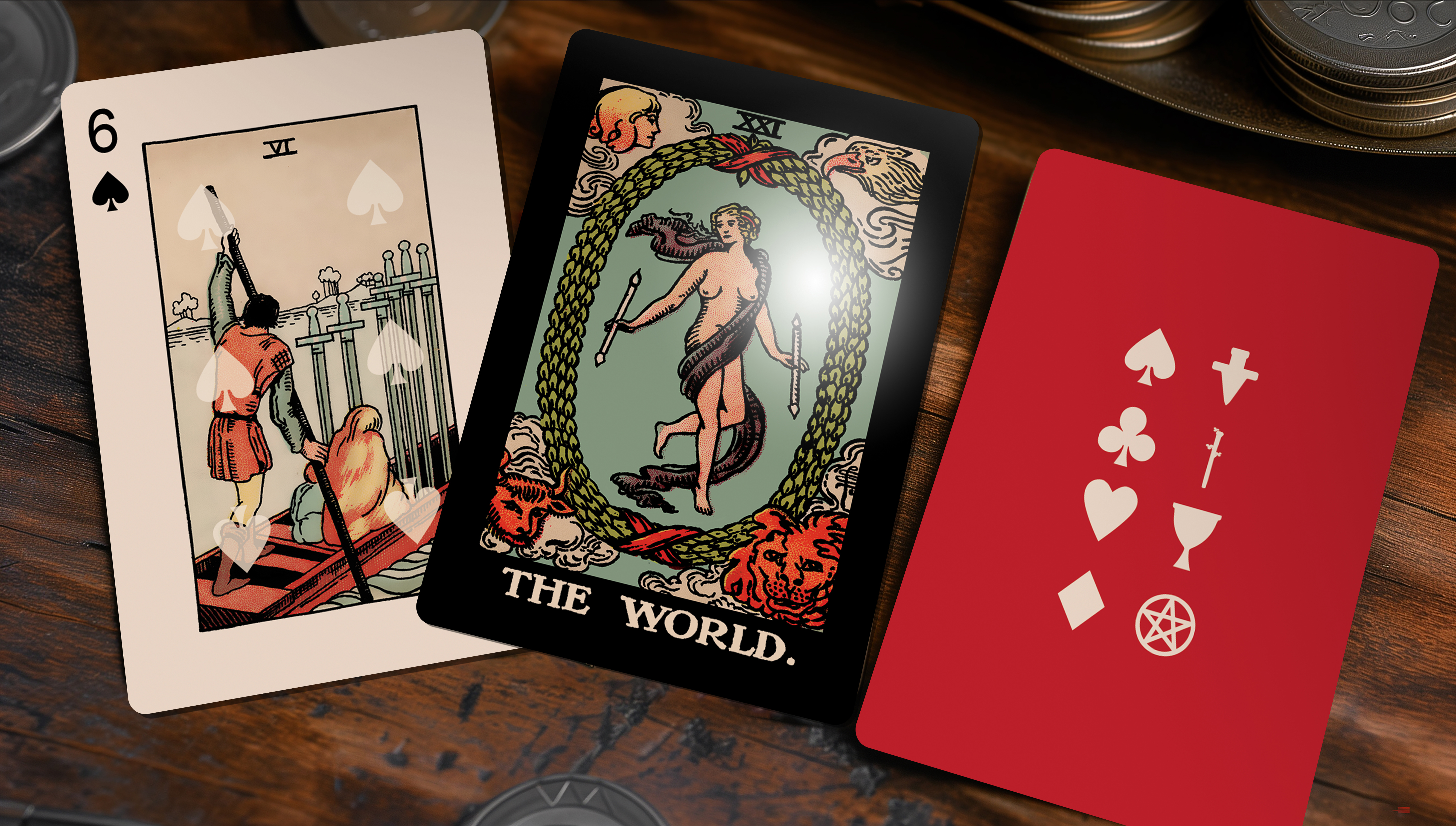
When you lay out a tarot spread, each card holds its own meaning, but the true magic of a reading lies in how the cards interact with one another. Tarot is a storytelling tool, and the way cards connect, contrast, and complement each other creates a nuanced narrative that offers deeper insight into your question or situation. Whether you’re a beginner or an experienced reader, understanding how cards interact can elevate your readings to a whole new level. Let’s explore how to interpret the relationships between tarot cards in a spread.
1. Cards as Characters in a Story
Think of each card as a character in a story. Individually, they have their own personalities and roles, but together, they create a dynamic plot. For example:
- The Fool might represent a new beginning, while The World could signify completion. When these cards appear together, they might suggest a cycle of endings and new beginnings.
- The Lovers and The Devil in the same reading could indicate a choice between healthy and unhealthy relationships.
Pay attention to how the cards “speak” to each other. Do they support, challenge, or contradict one another? This interplay adds depth to your interpretation.
2. The Flow of Energy in a Spread
The position of each card in a spread can influence how it interacts with others. For example:
- In a past-present-future spread, the past card sets the context, the present card shows the current situation, and the future card reveals potential outcomes. If the past card is The Tower (sudden change) and the future card is The Star (hope and healing), it might suggest that a difficult event has led to a brighter future.
- In a mind-body-spirit spread, the cards can show how your thoughts, physical state, and spiritual energy are connected. For instance, The Eight of Cups (mind) might indicate a desire to walk away from something, while The Four of Swords (body) suggests the need for rest, and The High Priestess (spirit) points to trusting your intuition.
Look for patterns or shifts in energy as you move through the spread.
3. Complementary and Contrasting Cards
Cards can either complement or contrast with each other, creating a richer narrative:
- Complementary cards reinforce each other’s meanings. For example, The Sun (joy and success) paired with The Ten of Cups (emotional fulfillment) amplifies the message of happiness and abundance.
- Contrasting cards create tension and highlight conflicts. For instance, The Empress (nurturing and abundance) alongside The Five of Pentacles (financial struggle) might suggest a disconnect between your desire for stability and your current reality.
These interactions can help you identify challenges, opportunities, or areas of growth.
4. Numerological and Suit Connections
Pay attention to the numbers and suits of the cards, as they can reveal deeper connections:
- Numerology: Cards with the same number often share a theme. For example, all “fours” in the Minor Arcana (e.g., Four of Wands, Four of Cups) relate to stability, rest, or contemplation. If multiple fours appear in a reading, it might suggest a need to pause and reflect.
- Suits: Cards from the same suit can indicate a focus on a particular area of life. For example, multiple Cups cards might emphasize emotions and relationships, while multiple Swords cards could point to mental challenges or conflicts.
5. Major and Minor Arcana Interactions
The Major Arcana represents significant life lessons and spiritual themes, while the Minor Arcana deals with everyday experiences. When these two groups interact, they can provide a balance between the big picture and the details:
- A Major Arcana card like The Chariot (determination and control) paired with a Minor Arcana card like The Seven of Wands (standing your ground) might suggest that you need to take charge of a challenging situation.
- The Hermit (introspection) alongside The Page of Cups (emotional exploration) could indicate a time of deep emotional reflection.
6. Reversed Cards and Their Impact
Reversed cards add another layer of interaction. They can modify the meaning of upright cards or introduce obstacles and delays:
- The Lovers upright might indicate harmony in a relationship, but reversed, it could suggest misalignment or difficult choices. If paired with The Ten of Pentacles (family and legacy), it might point to conflicts within a family or financial strain affecting a relationship.
- The Tower reversed alongside The Star could indicate that while a major upheaval has been avoided, there’s still a need for healing and hope.
7. Intuitive Connections
Sometimes, the interaction between cards isn’t logical – it’s intuitive. Trust your gut when you notice:
- Recurring symbols, colors, or imagery across cards.
- A feeling of harmony or tension between certain cards.
- A sudden insight or “aha” moment as you look at the spread.
Your intuition is your greatest tool in understanding how cards interact.
8. Practice Reading Card Relationships
To develop your skills in interpreting card interactions, try these exercises:
- Pair Practice: Pull two cards at random and explore how they relate to each other. Do they tell a story? Do they create tension or harmony?
- Spread Analysis: After completing a reading, go back and analyze how the cards interact. How do they influence each other’s meanings?
- Journaling: Keep a tarot journal to document your observations about card interactions. Over time, you’ll start to notice patterns and deepen your understanding.
Final Thoughts
The beauty of tarot lies in its ability to weave a story through the interactions of its cards. By paying attention to how cards complement, contrast, and connect with each other, you can uncover deeper layers of meaning and provide more insightful readings. Remember, tarot is both an art and a science – while there are traditional meanings and techniques, your intuition and creativity are what bring the cards to life.
So, the next time you lay out a spread, take a moment to observe the relationships between the cards. What story are they telling? What insights can you uncover? The answers are waiting for you in the interplay of the cards.
 Tarots Way
Leave a comment