
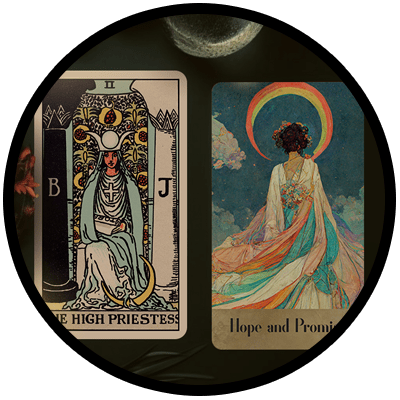
Tarot Cards vs. Oracle Cards: Understanding the Differences and Choosing the Right Deck for You
If you’re new to the world of divination or simply exploring different spiritual tools, you may have come across both tarot cards and oracle cards. While they may look similar at first glance, these two types of decks serve distinct purposes and offer unique experiences. Whether you’re drawn to the structured symbolism of tarot or the free-flowing creativity of oracle cards, understanding their differences can help you choose the right tool for your needs. Let’s dive into the world of tarot and oracle cards and explore what sets them apart.
What Are Tarot Cards?
Tarot cards are a centuries-old system of divination that originated in Europe during the 15th century. A traditional tarot deck consists of 78 cards, divided into two main sections:
- The Major Arcana (22 cards): These cards represent significant life events, spiritual lessons, and archetypal energies (e.g., The Fool, The Lovers, The Tower).
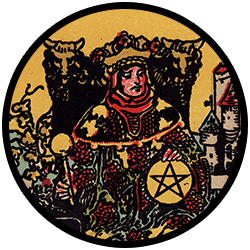
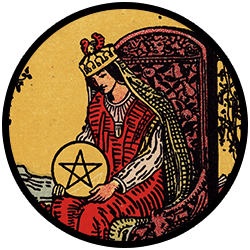
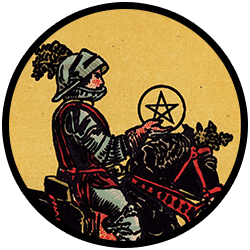
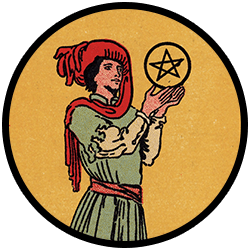
- The Minor Arcana (56 cards): Divided into four suits (Cups, Pentacles, Swords, and Wands), these cards reflect everyday experiences, emotions, challenges, and opportunities.
Tarot cards are highly structured, with each card having specific meanings, symbolism, and correspondences (e.g., astrology, numerology). This structure makes tarot a powerful tool for deep, detailed readings and personal growth.
What Are Oracle Cards?
Oracle cards, on the other hand, are much more flexible and varied. Unlike tarot, there’s no standard structure for oracle decks – they can have any number of cards, themes, or artistic styles. Oracle decks are often created around a specific theme, such as angels, animals, chakras, or affirmations. Each deck comes with its own guidebook, and the meanings of the cards are usually determined by the creator.
Oracle cards are designed to be intuitive and accessible, making them ideal for those who prefer a more free-form approach to divination. They’re often used for inspiration, guidance, and connecting with higher wisdom.
Key Differences Between Tarot and Oracle Cards
1. Structure and System
- Tarot: Tarot follows a structured system with 78 cards divided into the Major and Minor Arcana. Each card has a specific meaning and position within the deck.
- Oracle: Oracle cards have no fixed structure. The number of cards, themes, and meanings vary widely depending on the deck.
2. Symbolism and Imagery
- Tarot: Tarot cards are rich in symbolism, with imagery that draws from astrology, numerology, and ancient traditions. This makes tarot a powerful tool for deep, analytical readings.
- Oracle: Oracle cards tend to be more straightforward, with imagery and messages that are often easier to interpret at a glance. They rely heavily on the creator’s vision and the deck’s theme.
3. Purpose and Use
- Tarot: Tarot is often used for detailed, in-depth readings that explore past, present, and future influences. It’s ideal for self-reflection, decision-making, and understanding complex situations.
- Oracle: Oracle cards are typically used for inspiration, affirmation, and general guidance. They’re great for daily draws, quick insights, and connecting with spiritual energies.
4. Learning Curve
- Tarot: Learning tarot can take time due to its structured system and the depth of each card’s meaning. However, this structure also provides a solid foundation for interpretation.
- Oracle: Oracle cards are generally easier to learn and use, as they don’t require memorization of complex systems. They’re perfect for beginners or those who prefer a more intuitive approach.
5. Flexibility
- Tarot: While tarot is highly structured, it also allows for creative interpretations and intuitive readings. Skilled readers can adapt the system to suit their style.
- Oracle: Oracle cards are inherently flexible, with no rules or fixed meanings. This makes them ideal for those who enjoy a more spontaneous and personal approach.
How to Choose Between Tarot and Oracle Cards
Choosing between tarot and oracle cards depends on your goals, preferences, and spiritual practice. Here are some questions to consider:
- Do you prefer structure or flexibility? If you enjoy a systematic approach, tarot might be for you. If you prefer freedom and creativity, try oracle cards.
- What’s your experience level? Beginners might find oracle cards easier to start with, while those seeking deeper insights may gravitate toward tarot.
- What’s your intention? If you’re looking for detailed guidance or self-reflection, tarot is a great choice. If you want inspiration or a quick daily message, oracle cards might be better.
Can You Use Tarot and Oracle Cards Together?
Absolutely! Many readers use tarot and oracle cards in combination to enhance their readings. For example:
- Use oracle cards to clarify or expand on a tarot reading.
- Pull an oracle card for daily inspiration and a tarot card for deeper insight.
- Combine the structured wisdom of tarot with the intuitive flow of oracle cards for a balanced approach.
Final Thoughts
Both tarot and oracle cards are powerful tools for self-discovery, guidance, and spiritual growth. While tarot offers a structured, symbolic system for deep exploration, oracle cards provide flexibility and intuitive inspiration. The best choice depends on your personal preferences and what resonates with you. Whether you choose tarot, oracle, or both, these decks can become trusted companions on your spiritual journey.
 Tarots Way
Leave a comment